
Septic System Installation in Utah: Excavation Requirements Every Property Owner Should Know
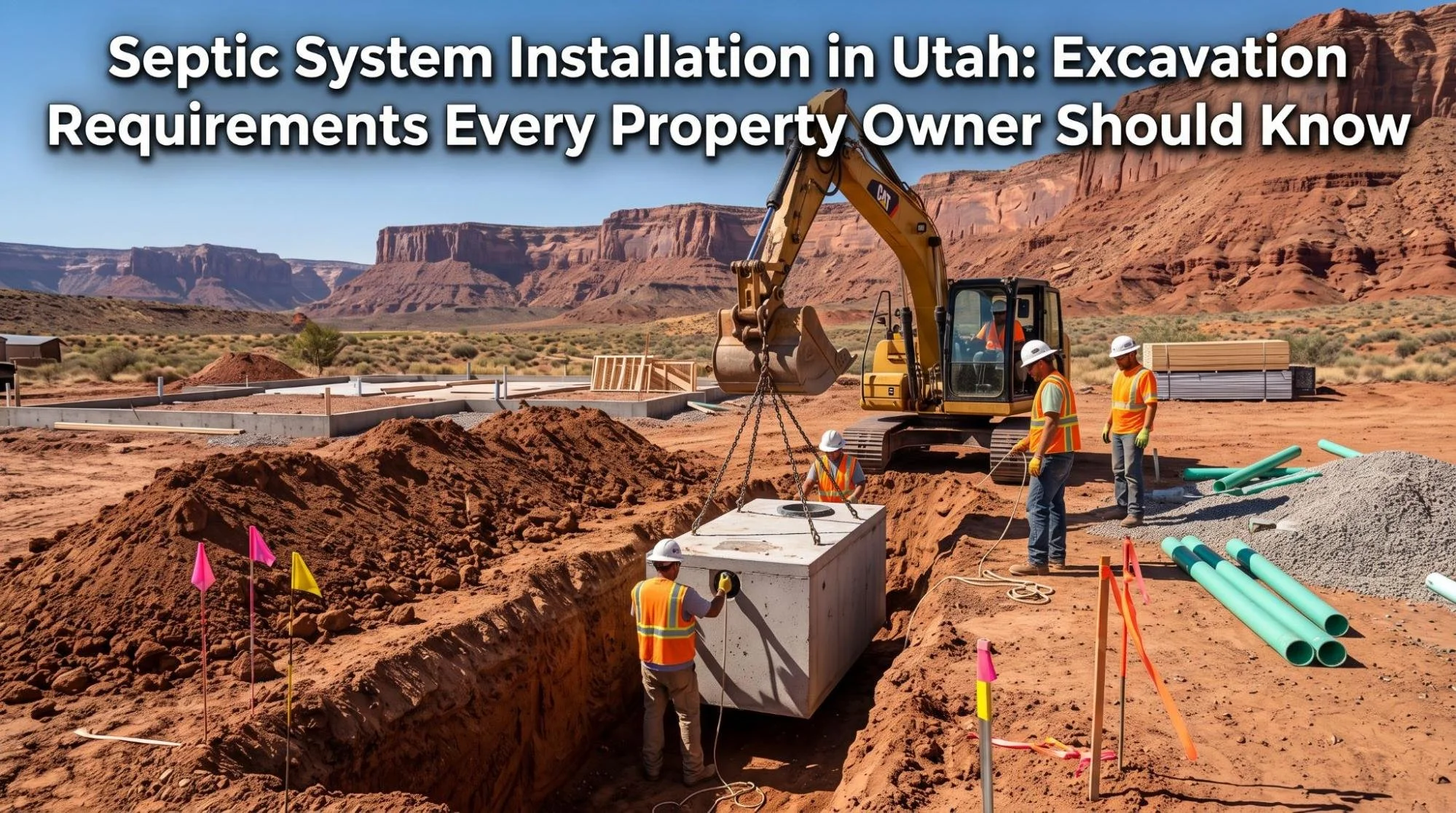
For many homeowners across Utah, especially those building outside city limits, installing a septic system is an essential part of developing a functional property. Unlike homes connected to municipal sewer systems, rural properties rely on properly designed septic systems to safely manage wastewater. However, before a septic tank can be installed, careful planning and professional excavation are required.
A successful Septic System Installation Utah project involves much more than digging a hole. It requires evaluating the property, understanding local regulations, locating existing utilities, preparing the site, and ensuring proper drainage. Every step plays a vital role in creating a system that performs efficiently for decades.
Whether you're building a new home or developing vacant land, understanding the excavation process will help you avoid costly mistakes and ensure your septic system is installed correctly from the start.
Why Septic Systems Are Common in Utah
Many homes throughout Southern Utah are located in rural areas where municipal sewer services are unavailable. In these locations, a properly designed septic system provides a safe and reliable method for wastewater treatment.
Professional septic installation Utah ensures wastewater is processed safely while protecting groundwater, nearby wells, and the surrounding environment.
For property owners planning new construction, septic installation often becomes one of the first major infrastructure projects after site preparation.
Understanding the Septic Installation Process
Every property is unique, but most projects follow a similar sequence.
The process generally includes:
Site evaluation
Soil testing
Permit approval
Utility locating
Excavation
Septic tank installation
Drain field construction
Final inspections
Each phase must be completed carefully to ensure the system meets local health and environmental requirements.
Step 1: Site Evaluation and Soil Testing
Before any septic excavation in Southern Utah begins, contractors evaluate the property to determine whether the site is suitable for a septic system.
Several important factors are considered:
Soil composition
Drainage capability
Property slope
Groundwater levels
Available installation space
Proper soil testing helps determine how efficiently wastewater can filter through the ground. If the soil drains too quickly or too slowly, alternative system designs may be required.
For larger residential developments, soil evaluation is also an important part of land development in Southern Utah, ensuring future construction proceeds without unnecessary delays.
Step 2: Obtaining Permits
Utah requires permits before installing most septic systems.
Local health departments review:
Property boundaries
Soil reports
Septic design
Drain field location
Environmental considerations
Obtaining approvals before excavation begins helps prevent costly redesigns later in the project.
An experienced septic contractor typically assists homeowners throughout the permitting process and ensures all local regulations are followed.
Step 3: Locating Underground Utilities
One of the most important safety steps is identifying all existing underground utilities before excavation begins.
Contractors locate:
Water lines
Electrical cables
Gas lines
Communication lines
Existing sewer connections
Damaging underground infrastructure can delay construction, create safety hazards, and increase project costs.
Professional utility excavation procedures help protect both workers and nearby infrastructure throughout the project.
Step 4: Site Excavation
After permits are approved and utilities are marked, the actual site excavation begins.
Heavy equipment is used to excavate the area for the septic tank while maintaining precise depth and grading requirements.
Professional septic excavation requires careful measurements to ensure:
Proper tank elevation
Correct pipe slope
Safe equipment access
Adequate working space
Even small grading errors can affect how efficiently wastewater flows through the system.
Experienced excavation crews continuously verify elevations throughout the excavation process to ensure the installation meets engineering specifications.
Installing the Septic Tank
Once excavation is complete, the septic tank is carefully lowered into place using heavy lifting equipment.
Contractors verify:
Tank alignment
Inlet and outlet elevations
Pipe connections
Structural stability
Proper installation helps prevent shifting, settling, and future maintenance problems.
Backfilling is completed gradually using suitable material that protects the tank while maintaining proper support.
Building the Drain Field
The drain field is just as important as the septic tank itself.
After wastewater leaves the tank, it flows into perforated pipes installed beneath the surface where it naturally filters through the surrounding soil.
Proper grading ensures wastewater is evenly distributed across the drain field.
Poor installation may lead to:
Standing water
Slow drainage
System backups
Premature failure
Professional excavation helps create ideal conditions for long-term system performance.
Why Proper Excavation Matters
Many homeowners underestimate the importance of excavation during septic installation.
Professional septic excavation Southern Utah helps ensure:
Accurate grading
Proper drainage
Stable soil conditions
Safe equipment operation
Correct pipe elevations
Without proper excavation, even high-quality septic components may fail prematurely.
Working with an experienced excavation contractor reduces the risk of costly repairs while improving the overall lifespan of the system.
Common Challenges During Septic Installation
Every project presents unique challenges depending on the property's location.
Rocky Terrain
Southern Utah is well known for its sandstone and rocky soils.
Specialized excavation equipment may be required to remove large rocks before installation can begin.
Sloped Properties
Many rural homes are built on uneven terrain.
Additional grading may be necessary to maintain proper wastewater flow while protecting the surrounding landscape from erosion.
Limited Access
Some properties have narrow driveways or difficult access points for heavy equipment.
Experienced contractors carefully plan equipment movement to minimize disturbance to the surrounding property.
Septic Systems and Rural Property Development
For homeowners building outside city limits, septic installation is often one of the first major improvements made during rural property excavation.
The septic system must be coordinated with:
Home location
Driveway placement
Water service
Utility trenches
Future landscaping
Careful planning during excavation helps eliminate conflicts between future construction activities.
When combined with professional grading and utility planning, septic installation becomes an important part of successful land development in Southern Utah.
Choosing the Right Septic Contractor
Installing a septic system is a long-term investment.
Choosing an experienced septic contractor helps ensure the work is completed safely, efficiently, and according to local regulations.
Look for a contractor who offers:
Local excavation experience
Modern equipment
Knowledge of Utah permitting requirements
Experience locating underground utilities
Strong customer reviews
Clear communication throughout the project
Companies like Creative Excavating understand the unique excavation challenges found throughout Southern Utah and provide professional services that help homeowners build with confidence.
Build Your Property on a Strong Foundation
A successful Septic System Installation Utah project begins long before the tank is placed in the ground.
From professional utility excavation and careful site excavation to precise septic excavation and proper grading, every stage contributes to a reliable wastewater system that will serve your property for decades.
Whether you're building a custom home or developing rural land, working with an experienced excavation contractor ensures your septic system is installed correctly while protecting your investment and the surrounding environment.
With careful planning, quality workmanship, and local expertise, Creative Excavating helps homeowners throughout Southern Utah complete septic installation projects safely, efficiently, and with confidence.
Frequently Asked Questions
-
Yes. Most counties require permits, soil testing, and inspections before a septic system can be installed.
-
Most residential installations are completed within several days to two weeks, depending on site conditions, permitting, and weather.
-
Proper septic excavation ensures the tank, drain field, and piping are installed at the correct elevations for reliable long-term performance.
-
Yes. Southern Utah's rocky terrain often requires specialized excavation equipment and additional preparation before installation.
-
It's best to complete septic installation early in the construction process before major home construction activities begin, allowing other contractors to work efficiently around a completed wastewater system.
