
Complete Pad Preparation Explained: The Most Important Step Before Building Your Home
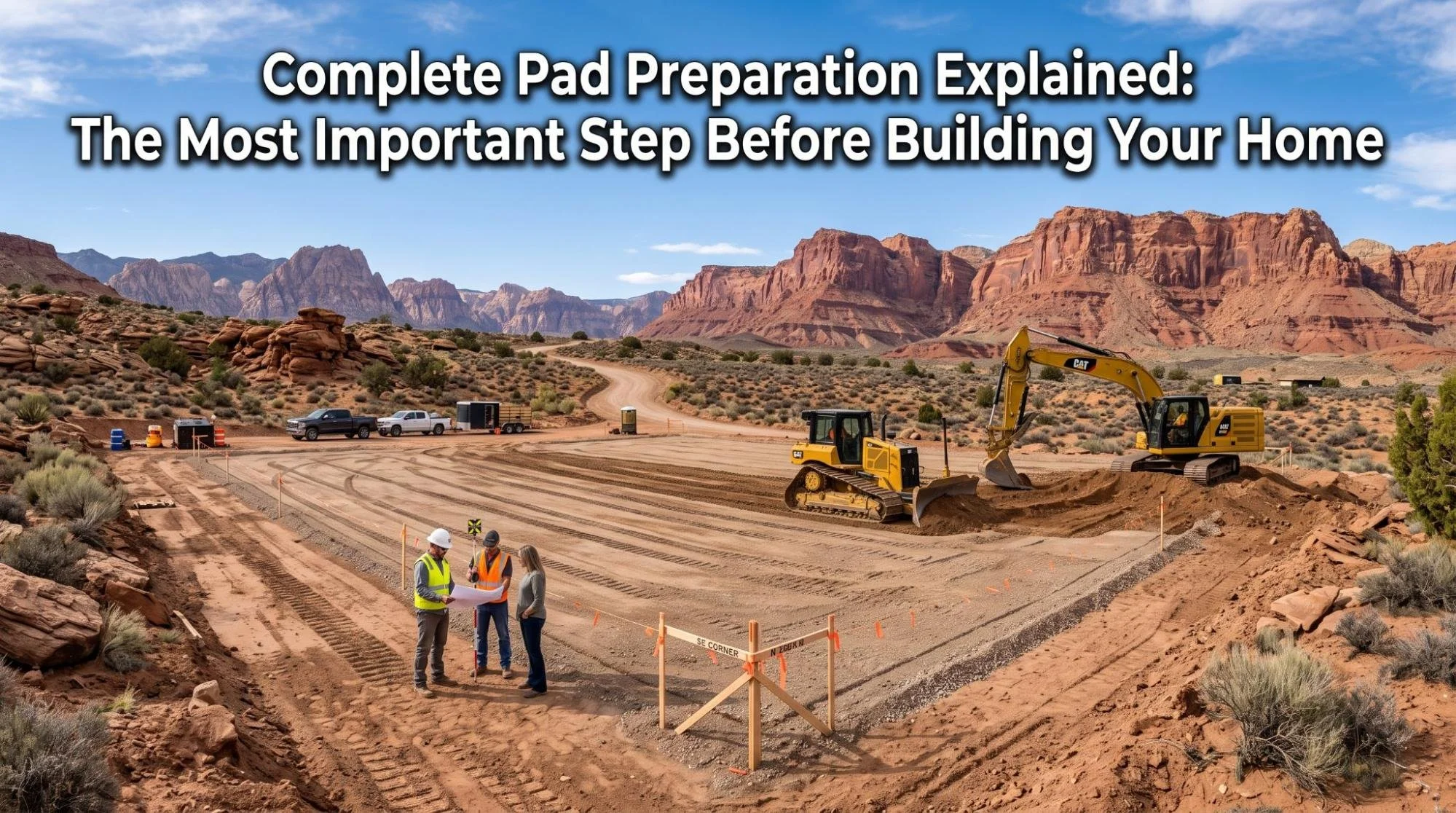
When planning a new home, most people focus on architectural designs, finishes, and landscaping. However, one of the most critical stages of the entire project happens long before the foundation is poured. Proper Pad Preparation Southern Utah ensures your home is built on stable, well-prepared ground that can safely support the structure for decades.
In Southern Utah, where rocky terrain, expansive soils, and sloped properties are common, preparing the site correctly is more than just moving dirt. It requires precise grading, soil stabilization, drainage planning, and expert equipment operation. Skipping or rushing this stage can lead to costly foundation problems, poor drainage, and structural issues in the future.
Whether you're building your first home or developing an investment property, understanding how pad preparation works can help you make informed decisions before construction begins.
What Is Pad Preparation?
A building pad is the level, compacted area where a structure will eventually be built. Professional building pad Utah services involve much more than simply clearing land. The goal is to create a solid, engineered base capable of supporting the weight of the future home while minimizing movement caused by changing soil conditions.
The preparation process generally includes:
Clearing vegetation and debris
Removing unsuitable soil
Excavating or filling low areas
Compacting soil
Establishing proper drainage
Final grading before foundation work
A properly prepared building pad becomes the starting point for a successful construction project.
Why Pad Preparation Is Especially Important in Southern Utah
Southern Utah offers beautiful landscapes, but those same landscapes present unique challenges for builders. Properties throughout the region often include uneven terrain, sandstone, clay soils, and varying elevations.
Without professional lot preparation Utah, these natural conditions can create problems such as:
Foundation settlement
Water pooling around the home
Soil erosion
Cracked driveways
Uneven floors
Structural movement
Working with an experienced excavation contractor ensures these issues are addressed before construction begins rather than after the home is completed.
Step 1: Site Evaluation and Planning
Every successful project begins with a thorough evaluation of the property.
Before heavy equipment arrives, contractors assess several important factors:
Existing slopes
Soil composition
Drainage patterns
Property boundaries
Utility locations
Access for construction equipment
This initial planning stage helps determine how much excavation or fill material will be required and whether retaining walls or drainage improvements are necessary.
Proper planning also helps builders avoid delays once construction is underway.
Step 2: Clearing the Construction Site
Once planning is complete, the property is prepared for excavation.
The construction site is cleared by removing:
Trees
Brush
Rocks
Existing structures
Organic material
Surface debris
Organic materials should never remain beneath a future foundation because they decompose over time, creating voids that can cause settlement.
After clearing, contractors establish the rough dimensions of the building pad using surveying equipment to ensure accuracy throughout the project.
Step 3: Rough Grading Shapes the Property
One of the first major earthmoving phases is rough grading.
This process reshapes the land by cutting high areas and filling lower sections until the desired elevation is achieved.
Unlike final grading, rough grading focuses on creating the general shape of the property rather than achieving finished elevations.
Professional operators carefully control:
Pad elevation
Slope angles
Drainage direction
Equipment access
Future driveway grades
On sloped lots throughout Southern Utah, rough grading often involves moving significant amounts of soil to create a level building surface.
Proper grading also reduces the amount of future maintenance required after the home is completed.
Why Soil Compaction Matters
After rough grading is complete, attention turns to one of the most overlooked yet essential stages of pad preparation—soil compaction Utah.
Loose soil contains air pockets that compress under heavy weight. If those voids remain beneath a home's foundation, uneven settling can occur over time.
Professional compaction equipment compresses the soil in controlled layers to create a dense, stable surface capable of supporting the structure.
Proper compaction provides several important benefits:
Improved foundation stability
Reduced settlement
Better load distribution
Increased soil strength
Longer-lasting construction
This step cannot be rushed because each layer of soil must meet compaction standards before additional material is placed.
Choosing Suitable Fill Material
Not all soil is appropriate for supporting a home.
If unsuitable material is discovered during excavation, contractors replace it with engineered fill that offers better stability and drainage.
Suitable fill materials generally include:
Crushed rock
Engineered gravel
Structural fill
Compactable soil blends
The type of material selected depends on local soil conditions and the recommendations of engineers involved in the project.
This attention to detail significantly improves the long-term performance of the home's building foundation.
Drainage Is Part of Every Successful Building Pad
Many homeowners assume drainage improvements happen after construction.
In reality, drainage planning begins during pad preparation.
Proper grading directs water away from the future home instead of allowing it to collect around the foundation.
Poor drainage is one of the leading causes of foundation movement and water intrusion.
Professional contractors carefully establish surface slopes that help rainwater flow naturally away from the building while protecting landscaping and neighboring properties.
On many Southern Utah projects, drainage considerations become just as important as excavation itself.
Finish Grading Creates the Final Building Surface
After compaction and drainage improvements are complete, contractors perform finish grading.
This is the final shaping of the building pad before foundation work begins.
Unlike rough grading, finish grading focuses on precision.
Contractors verify:
Final elevations
Smooth surfaces
Drainage slopes
Foundation dimensions
Construction tolerances
The finished surface provides a clean, level area where foundation crews can begin forming and pouring concrete with confidence.
Quality finish grading also reduces delays during later phases of construction because every trade begins with an accurately prepared site.
Why Experience Makes a Difference
While heavy machinery plays an important role, successful pad preparation depends even more on experience.
An experienced excavation contractor understands how local soils behave under changing weather conditions, how drainage affects long-term stability, and how grading decisions influence every stage of construction.
Companies like Creative Excavating combine modern equipment with local knowledge to ensure each project begins with a properly prepared building pad.
Whether preparing a custom home site or a larger residential development, investing in professional site preparation helps protect one of the biggest investments most families will ever make.
Common Mistakes Homeowners Make During Pad Preparation
Preparing a building site may seem straightforward, but overlooking key details can lead to expensive repairs after construction begins. Here are some of the most common mistakes homeowners should avoid.
Hiring Based on Price Alone
Choosing the lowest bid isn't always the best decision. An inexperienced contractor may skip critical steps like proper grading, compaction testing, or drainage planning to reduce costs.
Hiring a reputable excavation contractor ensures the work meets local building standards and provides a solid foundation for your home.
Ignoring Soil Conditions
Every property is different. Some sites contain expansive clay, while others have rocky or loose soils that require additional preparation.
Skipping soil evaluations can lead to uneven settling, foundation cracks, and drainage problems years after construction.
Professional contractors evaluate the soil before excavation begins to determine the best preparation method.
Poor Drainage Planning
Water is one of the biggest threats to any home's foundation.
Without proper grading, rainwater can collect around the structure, increasing the risk of erosion, moisture intrusion, and long-term structural damage.
Professional grading ensures water naturally flows away from the home instead of toward it.
Beginning Construction Too Early
Some homeowners feel pressured to begin foundation work immediately after excavation.
However, allowing contractors to complete grading, compaction, and inspections before construction starts helps prevent delays and expensive corrections later.
Taking the time to prepare the site correctly always pays off in the long run.
How Proper Pad Preparation Protects Your Foundation
Your home's foundation is only as strong as the ground beneath it.
A professionally prepared building pad distributes the weight of the structure evenly, reducing stress on the concrete and minimizing the risk of settlement.
Proper Pad Preparation Southern Utah offers several long-term benefits, including:
Increased structural stability
Better drainage around the home
Reduced maintenance costs
Longer foundation lifespan
Improved property value
Lower risk of cracking and settlement
Even the highest-quality concrete cannot compensate for poorly prepared ground.
That's why experienced builders place such a strong emphasis on site preparation before any foundation work begins.
Why Land Grading Plays a Major Role
Many homeowners think grading simply makes a property look level.
In reality, professional land grading St George Utah determines how water flows across your property, protects landscaping, and supports the home's structural integrity.
Proper grading helps:
Prevent standing water
Reduce erosion
Improve drainage
Protect retaining walls
Create smooth transitions for driveways and sidewalks
If grading is overlooked, even a well-built home may experience drainage issues that become costly to repair.
For homeowners planning a new build, understanding the importance of grading is essential.
Preparing the Site for the Next Phase
Once the building pad has been fully prepared, compacted, and graded, the project is ready for foundation work.
Contractors then begin laying out footings and preparing excavation for the concrete foundation.
Because the pad has already been engineered for stability and drainage, foundation crews can work efficiently with greater confidence.
Why Choosing the Right Contractor Matters
Successful projects begin with experienced professionals who understand local conditions.
An established contractor brings more than heavy equipment—they bring years of knowledge about Southern Utah's terrain, soil conditions, weather patterns, and construction requirements.
When selecting an excavation company, consider whether they:
Have extensive local experience
Use modern excavation equipment
Understand drainage engineering
Follow local building codes
Complete projects safely and efficiently
Communicate clearly throughout the project
Working with an experienced team helps eliminate unnecessary surprises while keeping your project on schedule.
Creative Excavating has helped homeowners and builders throughout Southern Utah prepare residential building sites that provide lasting performance and dependable structural support.
Whether your project involves a custom home, subdivision, or residential development, investing in professional pad preparation is one of the smartest decisions you can make before construction begins.
Build Your Home on a Strong Foundation
Every successful home begins with proper site preparation.
From creating a stable building pad Utah to completing accurate rough grading, professional soil compaction Utah, and precise finish grading, each step contributes to the long-term strength and durability of your home.
Proper lot preparation Utah also improves drainage, reduces maintenance, and helps protect your investment for years to come.
When you partner with an experienced excavation contractor, you're not simply preparing a construction site, you're building the foundation for a successful project from the ground up.
If you're planning a new home in Southern Utah, Creative Excavating has the expertise, equipment, and local knowledge to deliver reliable site preparation that sets your project up for long-term success.
Frequently Asked Questions
-
Pad preparation is the process of clearing, grading, compacting, and preparing land before a building foundation is constructed. It creates a stable surface capable of supporting the weight of a structure.
-
Proper soil compaction Utah removes air pockets from the soil, reducing settlement and providing a strong base for the home's foundation.
-
Rough grading shapes the overall property by moving large amounts of soil, while finish grading fine-tunes elevations and drainage before foundation work begins.
-
Most residential projects take several days to two weeks, depending on the property's size, soil conditions, weather, and the amount of excavation required.
-
A professional excavation contractor has the experience, equipment, and local knowledge needed to safely prepare your property while ensuring proper grading, drainage, and foundation support.
