
Erosion Control During Excavation: How to Protect Your Property and Meet Utah Regulations
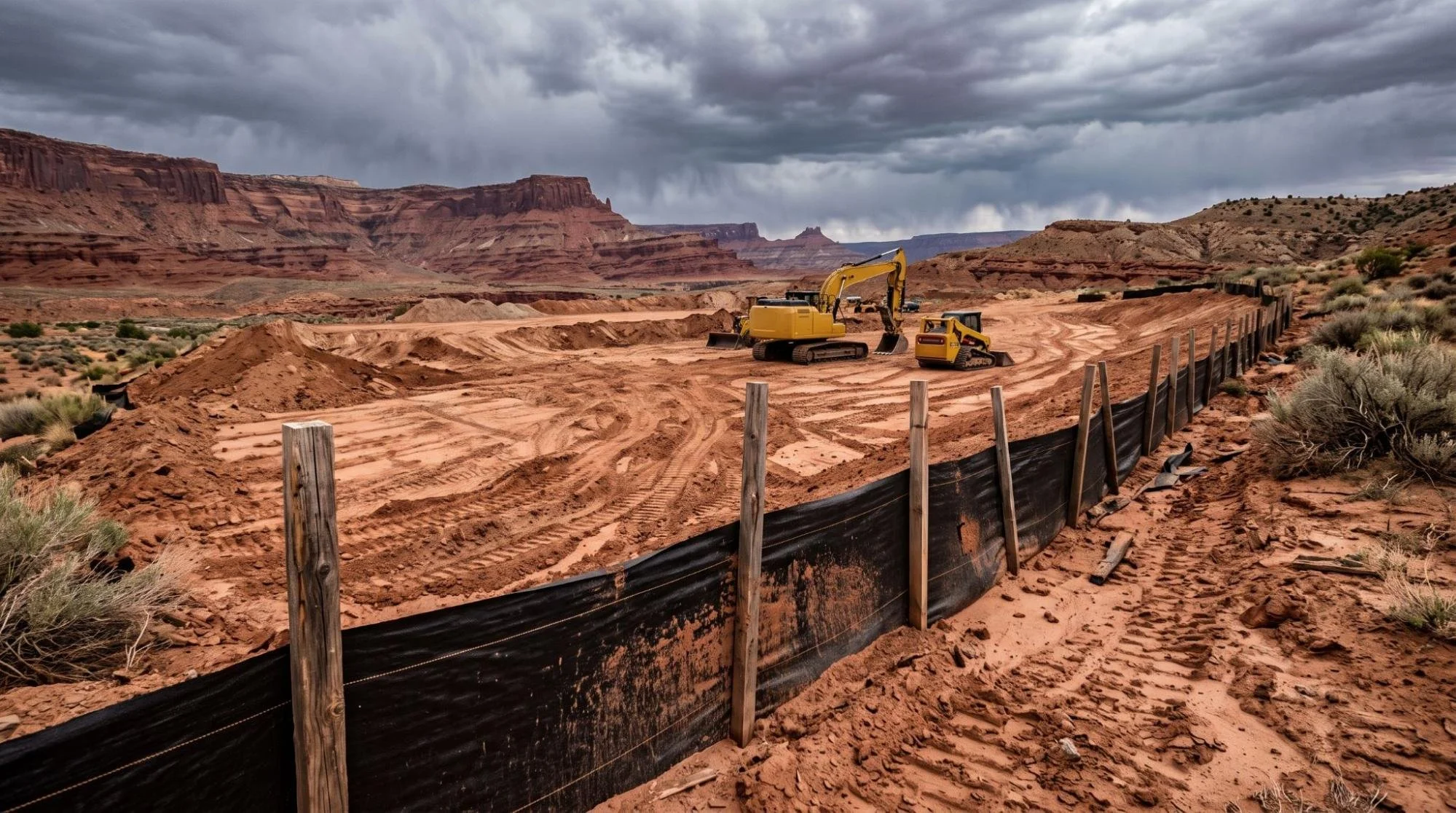
If you have ever watched a heavy rainstorm turn a construction site into a river of mud, you already understand why erosion control is one of the most important parts of any excavation project. Southern Utah's soil, combined with our seasonal monsoon storms, creates a perfect environment for washouts, sediment runoff, and site instability if proper precautions are not taken. Whether you are building a new home, developing a commercial lot, or preparing land for future construction, erosion control during excavation is not just a good idea. In St George, it is often a requirement.
At Creative Excavating, we have spent years helping property owners across Southern Utah manage soil movement, protect drainage systems, and keep their projects compliant with local and state regulations. In this guide, we will walk through what erosion control actually involves, why it matters so much in our region, and how a qualified excavation contractor in St George UT approaches every project with long term site stability in mind.
Why Erosion Control Matters So Much in Southern Utah
Southern Utah's terrain is beautiful, but it is also unforgiving when it comes to soil movement. Our red clay and sandy soils do not hold together well once vegetation is stripped away, and when a heavy rain hits an active job site, the results can be dramatic almost overnight.
Construction site erosion happens when exposed soil is left unprotected against wind and water. Once the topsoil is disturbed, whether from grading, trenching, or general site prep, it becomes vulnerable. Left unmanaged, that soil can wash into streets, storm drains, neighboring properties, and local waterways, creating problems that go well beyond the job site itself.
This is exactly why erosion control Southern Utah projects require careful planning before the first shovel ever hits the ground. A responsible contractor does not wait until a storm is forecasted to think about sediment management. It should be built into the plan from day one.
Understanding the Excavation and Grading Process
Before we get into specific erosion control methods, it helps to understand how excavation site grading actually works and why it creates the conditions erosion control is designed to manage.
Land grading involves reshaping the natural contour of a lot to create a stable, level, or properly sloped surface for construction. This might mean cutting into a hillside, filling in low areas, or simply leveling ground for a foundation. During this process, large sections of soil are exposed at once, which is where the risk begins.
A few things typically happen during a grading and excavation project:
Vegetation and topsoil are stripped away to access workable ground
Soil is cut, moved, and compacted to reach the desired elevation
Drainage paths are altered, sometimes temporarily and sometimes permanently
Large areas of disturbed soil are left exposed until landscaping or hardscaping is complete
Every one of these steps increases the site's vulnerability to erosion. That is why an experienced grading contractor builds erosion prevention measures into the project timeline, often relying on fine grading to establish the final stable surface once bulk earthwork is complete.
The Core Methods of Erosion Control on a Job Site
There is no single fix for erosion. Effective erosion prevention relies on a combination of physical barriers, soil management techniques, and drainage planning working together. Here is how these pieces typically fit into a well managed project.
Silt Fencing and Physical Barriers
One of the most recognizable tools on any active job site is the silt fence. Silt fence installation creates a physical barrier that slows down water flow and traps sediment before it can travel off site. These fences are typically placed along the downhill edges of a property, around storm drains, and near any area where construction site runoff is likely to occur.
Properly installed silt fencing is not just about sticking a roll of fabric in the ground. It needs to be trenched in correctly, secured with stakes at the right intervals, and inspected regularly, especially after rain events. A poorly installed silt fence can fail exactly when you need it most.
Soil Stabilization Techniques
Soil stabilization refers to the methods used to hold exposed dirt in place until permanent landscaping, paving, or other ground cover is installed. This can include:
Hydroseeding or temporary seeding to establish quick ground cover
Erosion control blankets or matting on slopes
Mulching to reduce the impact of rainfall on bare soil
Compaction techniques that reduce how easily soil particles break loose
On sloped sites, stabilization becomes even more critical, since gravity works against you the moment soil loses its structure.
Sediment Control Structures
Sediment control goes a step further than simply preventing erosion. It focuses on capturing any soil that does become dislodged before it leaves the property. Sediment basins, check dams, and inlet protection devices are all common tools used to catch runoff and allow sediment to settle out before water continues downstream.
For larger excavation services projects, sediment control plans are often required as part of the permitting process, particularly when a site sits near a wash, roadway, or existing drainage infrastructure. This is especially true for projects that include underground utility installation, where trenching temporarily increases exposed soil.
Stormwater Management and Drainage Planning
Stormwater management is where all these individual pieces come together into a cohesive strategy. It is not enough to control erosion on the surface if water has nowhere appropriate to go once it leaves the site.
A solid stormwater management plan considers:
Where water naturally flows across the property before construction begins
How grading will change that flow pattern
Where temporary and permanent drainage solutions need to be installed
How to prevent water from pooling against foundations or structures
Drainage solutions might include swales, French drains, retention areas, or piped systems that direct water away from vulnerable areas and toward approved discharge points. In St George, where our monsoon season can bring intense, short bursts of heavy rain, having a drainage plan that can handle sudden volume is essential rather than optional.
St George's Regulatory Requirements
If you are working with an excavation contractor St George UT property owners trust, they should already be familiar with the local stormwater and erosion control ordinances that apply to construction sites in Washington County. These regulations generally require a Stormwater Pollution Prevention Plan, or SWPPP, for projects that disturb a certain amount of land area.
A SWPPP typically outlines:
The erosion and sediment control measures that will be used on site
Inspection and maintenance schedules for those measures
Procedures for responding to storm events
Site stabilization requirements once construction is complete
Failing to follow these requirements can lead to fines, project delays, and in some cases, liability for damage caused to neighboring properties. This is one of the biggest reasons property owners choose to work with an establishedland development partner rather than attempting large scale sitework without proper planning.
What to Look for in an Excavation Contractor
Not every contractor treats erosion control with the same level of seriousness. When you are evaluating an excavation contractor St George UT residents can rely on, a few things separate the professionals from the rest.
Experience with local soil types and drainage patterns specific to Southern Utah
A clear, written erosion and sediment control plan before work begins
Proper equipment and materials for silt fence installation and stabilization
Familiarity with Washington County and city of St George permitting requirements
A track record of maintaining erosion controls throughout the life of the project, not just at the start
Ask potential contractors how they handle unexpected storms mid project. Their answer will tell you a lot about how seriously they take erosion control as an ongoing responsibility rather than a box to check before inspection.
Common Mistakes That Lead to Erosion Problems
Even well intentioned projects run into trouble when a few key details get overlooked. Some of the most common issues we see include silt fences installed without proper trenching, allowing water to flow underneath instead of being filtered. Stockpiled soil left uncovered and unprotected for weeks at a time is another frequent problem, along with drainage paths that were altered during grading but never properly redirected. Site inspections that stop happening once the initial installation is complete also tend to cause issues, along with underestimating how quickly a Southern Utah monsoon storm can arrive and how much volume it can bring in a short amount of time.
Any one of these gaps can undo weeks of careful planning in a single storm event.
Protecting Your Investment Long After Construction
Erosion control is not just about avoiding fines or passing an inspection. It protects the long term value and stability of your property. Soil that washes away during construction can undermine foundations, damage newly graded surfaces, and create drainage problems that resurface years later.
A property that has been properly graded, stabilized, and protected during the excavation phase is far less likely to experience settling, pooling, or erosion related damage once construction wraps up. This is especially true for land grading projects on sloped lots, where thorough pad preparation makes all the difference before framing ever begins.
Working With a Local Team That Understands the Terrain
Every region has its own erosion challenges, and Southern Utah is no exception. Our sandy, clay heavy soils behave differently than the soil in wetter climates, and our storm patterns demand a different approach to stormwater management than what you might see in other parts of the country.
Working with a local excavation services provider means working with a team that already understands these conditions. They know which slopes are prone to washout, which soil types compact well, and how to design a drainage plan that actually holds up when the next monsoon rolls through.
Final Thoughts
Erosion control during excavation is one of those things that is easy to overlook when a project is moving fast, but it is one of the most important factors in whether that project succeeds long term. From silt fence installation and soil stabilization to full stormwater management planning, every step plays a role in protecting your property, your neighbors, and the surrounding environment.
If you are planning an excavation project in St George or anywhere in Southern Utah, working with an experienced excavation and grading team from the very beginning will save you time, money, and headaches down the road. Proper planning today means a more stable, better protected property for years to come.
Frequently Asked Questions
-
Erosion control during excavation refers to the methods used to prevent exposed soil from washing away during grading and construction work. Once vegetation and topsoil are disturbed, the ground becomes vulnerable to wind and rain. Without proper controls in place, sediment can wash into streets, storm drains, and neighboring properties, which is why it is a required part of most excavation project planning in Southern Utah.
-
In many cases, yes. Projects that disturb a certain amount of land in St George and Washington County are required to have a Stormwater Pollution Prevention Plan, or SWPPP, before work begins. A qualified excavation contractor St George UT property owners trust will know exactly when this documentation is required and how to prepare it correctly.
-
Silt fence installation typically remains in place for the entire duration of active construction, from the initial grading phase until the site is fully stabilized with landscaping, paving, or other permanent ground cover. Fencing should be inspected regularly and repaired promptly if damaged, especially after storms.
-
If sediment control fails, soil and debris can wash onto neighboring properties, into storm drains, or into nearby washes, which may lead to fines, cleanup costs, and project delays. This is why ongoing maintenance of erosion barriers, and not just the initial installation, is such an important part of proper stormwater management throughout a project.
-
Yes. Poor soil stabilization during construction can lead to settling, drainage problems, and even foundation issues that show up months or years later. Investing in proper erosion prevention during the land grading phase helps protect the long term value and stability of the finished property.
