
Services
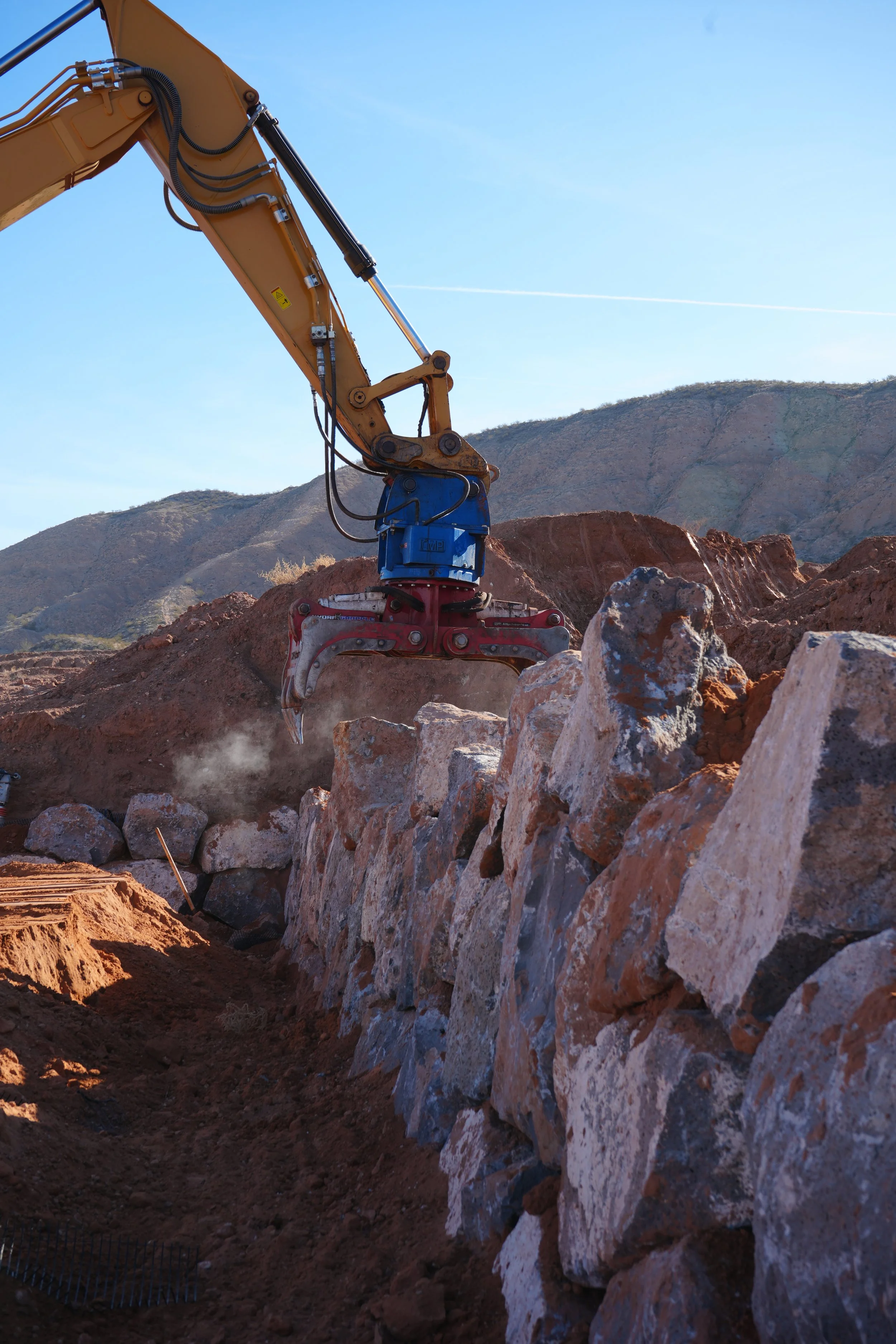
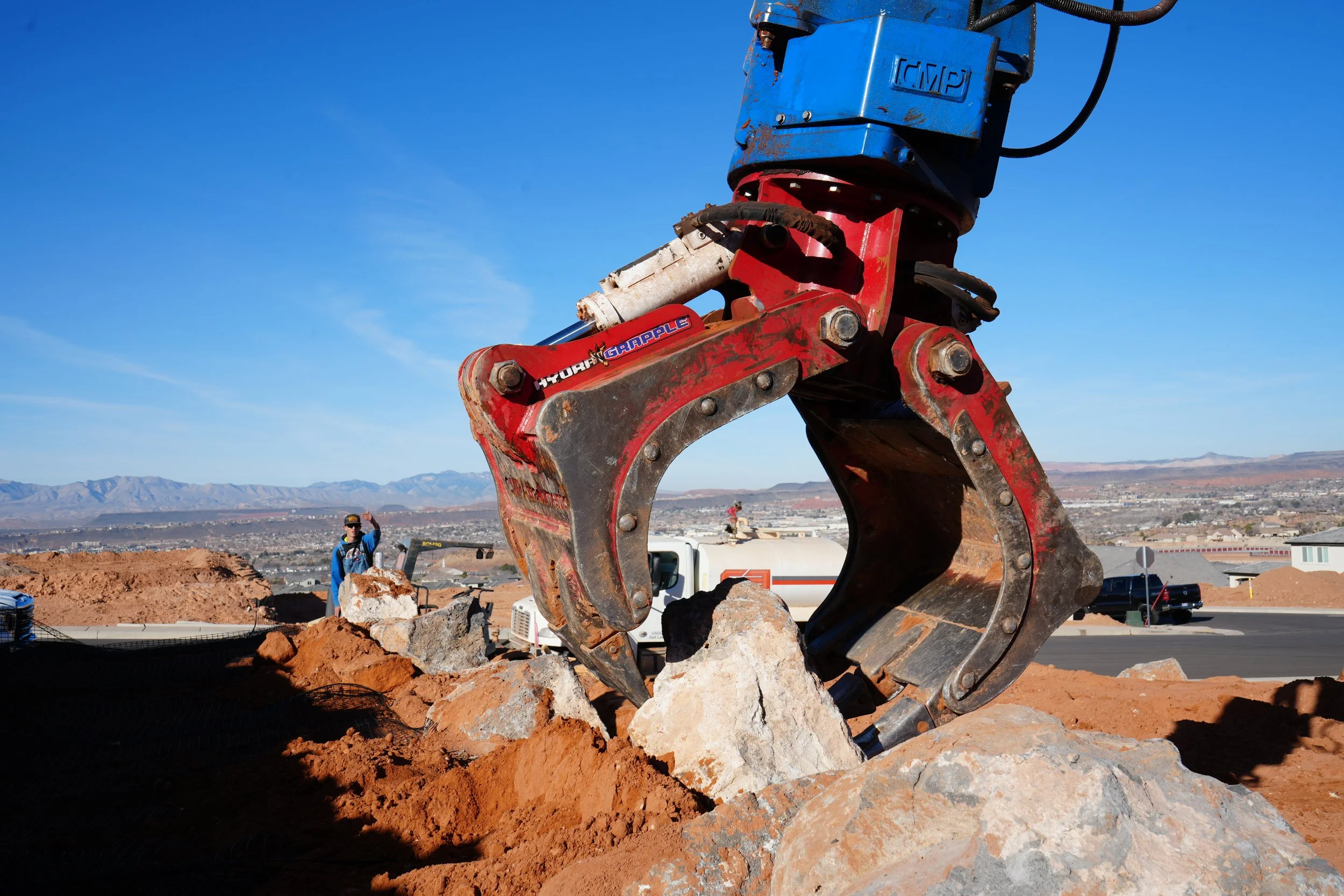
Rock Retaining Walls
This is our specialty because we have set ourselves up with customized attachments to be able to create any type of rock or block retaining walls. With these attachments were able to stack a higher quality wall in a fraction of the time, saving the customer money while still giving them the quality they deserve and expect.
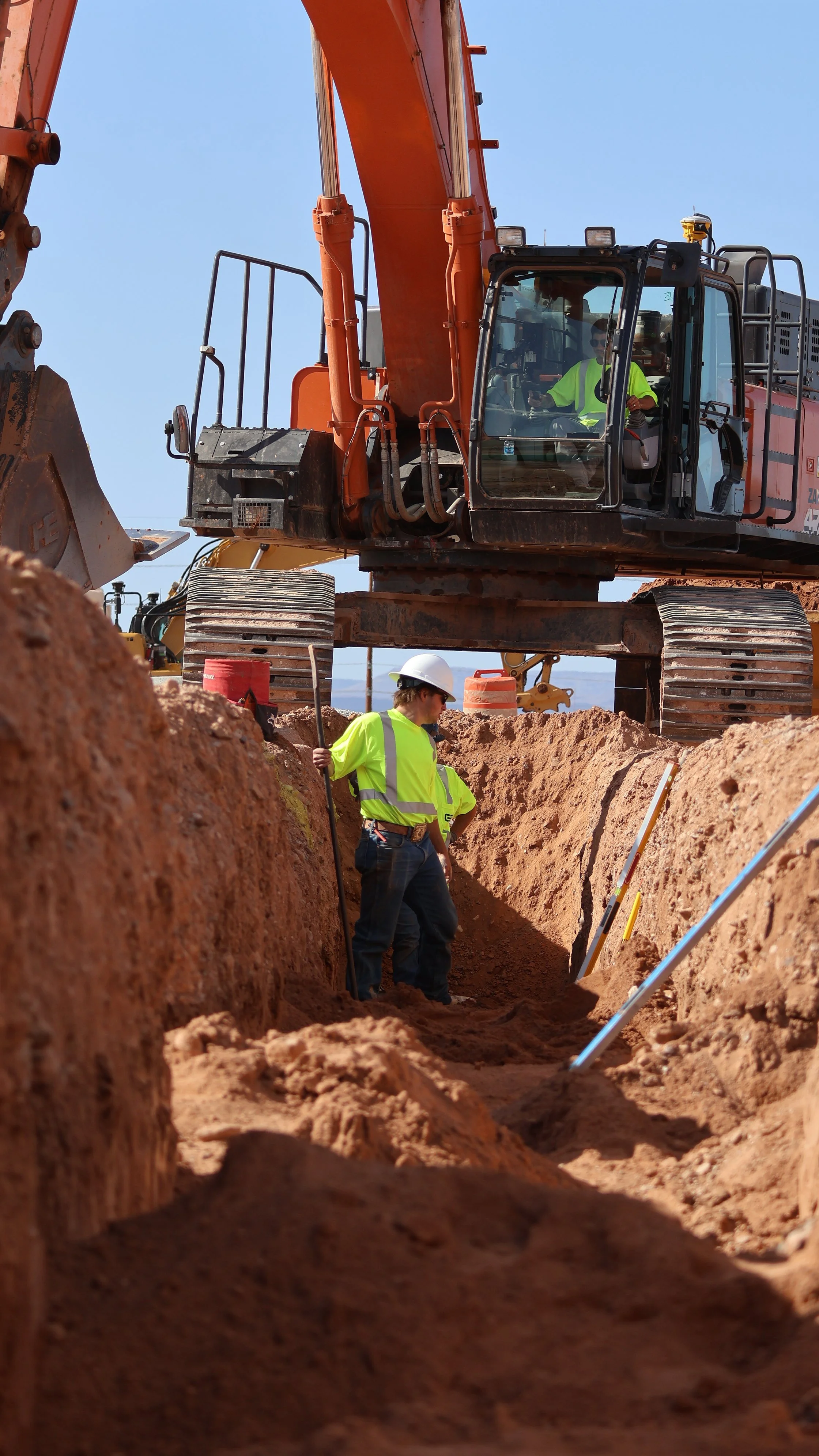
Underground Utilities
We specialize in utilities: Storm, sewer, power and main water pipe. Creative Excavating, with years of experience, is able to take on any job big or small and complete it with confidence that it’s done right, on time and perfect.
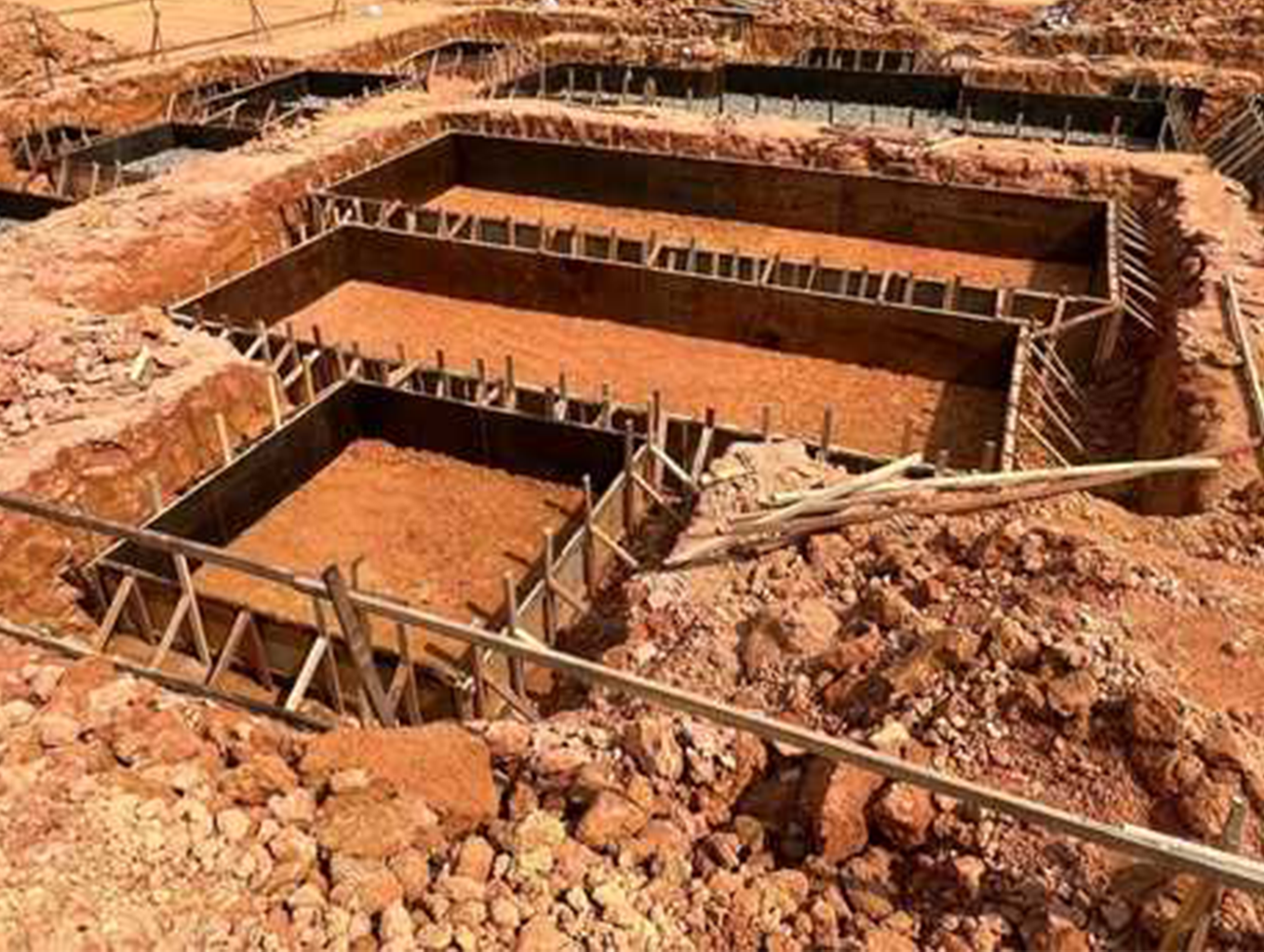
Footings
The most important part of any structure starts with the foundation. Whether it’s a simple house footing or a massive over-x. You need to have the best foundation for your building.
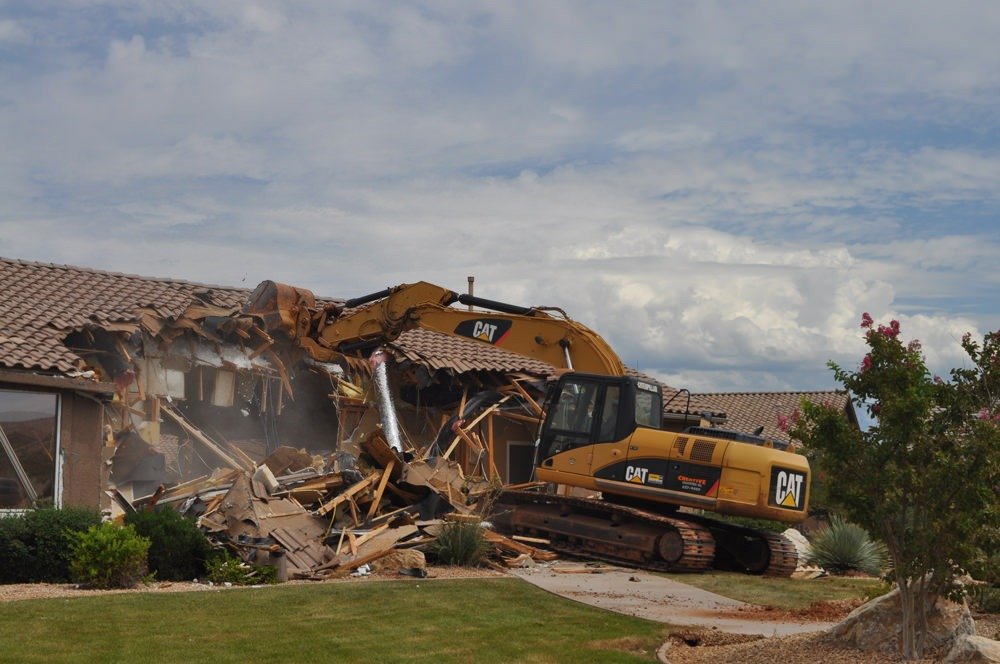
Demolition
Tearing down building or structures is done very precisely. When we take a building apart we carefully preserve valuable elements for re-use.
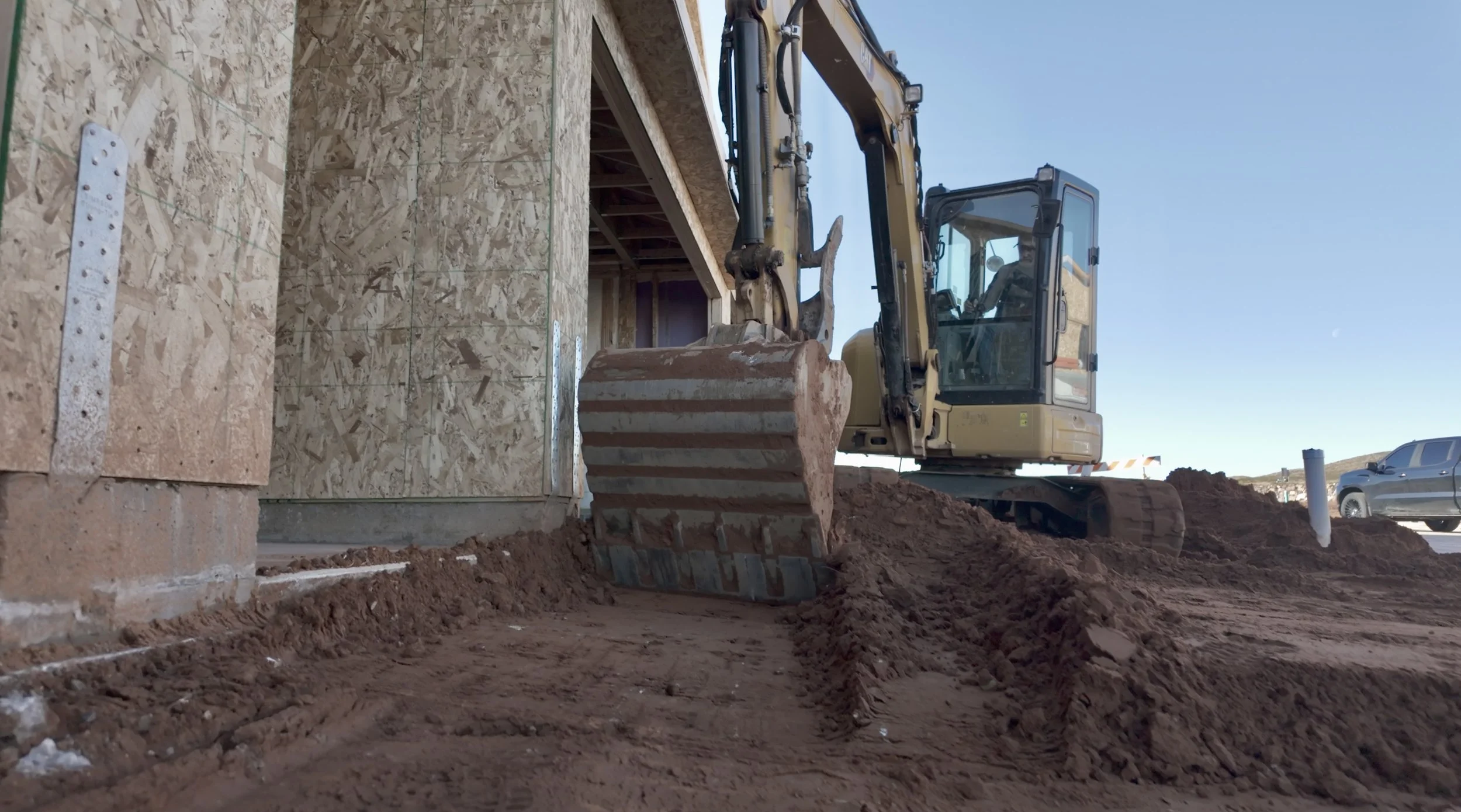
Complete Pad Prep
Pad prep is the foundation of every successful build. At Creative Excavating, we shape, level, and compact each building pad to meet specifications and ensure long-term stability. Done right the first time, our pad preparation gives builders confidence and keeps projects moving smoothly from the ground up.
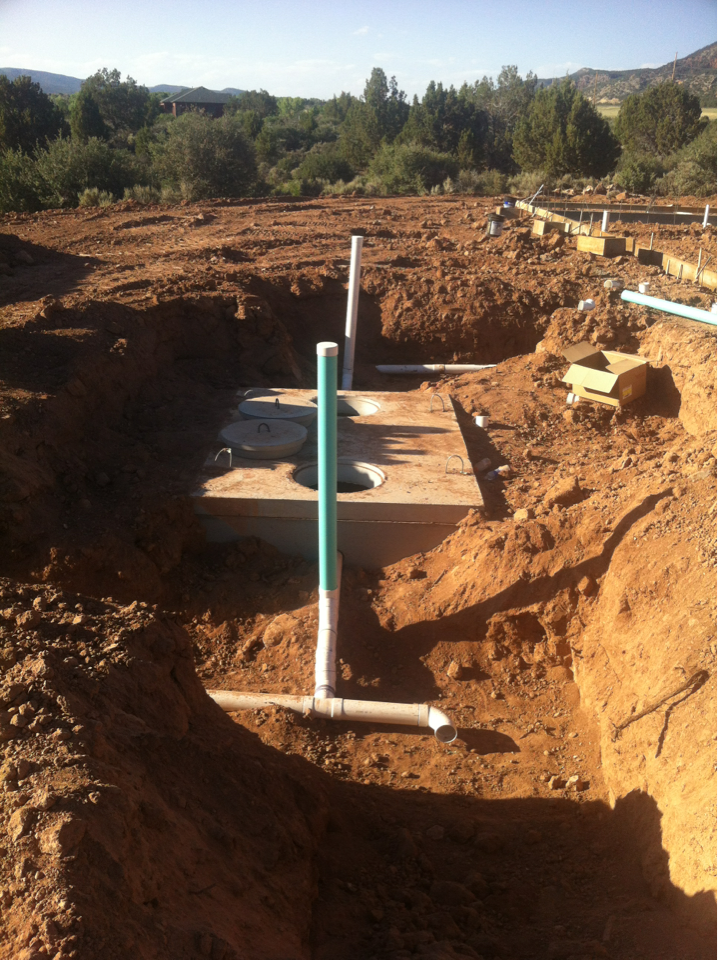
Septic Systems
We provide professional septic system excavation and installation for residential and rural properties. From tank placement to drain field preparation, Creative Excavating ensures each system is installed accurately and efficiently. With experience and attention to detail, we complete every septic project with confidence, keeping performance, compliance, and long-term reliability in mind.
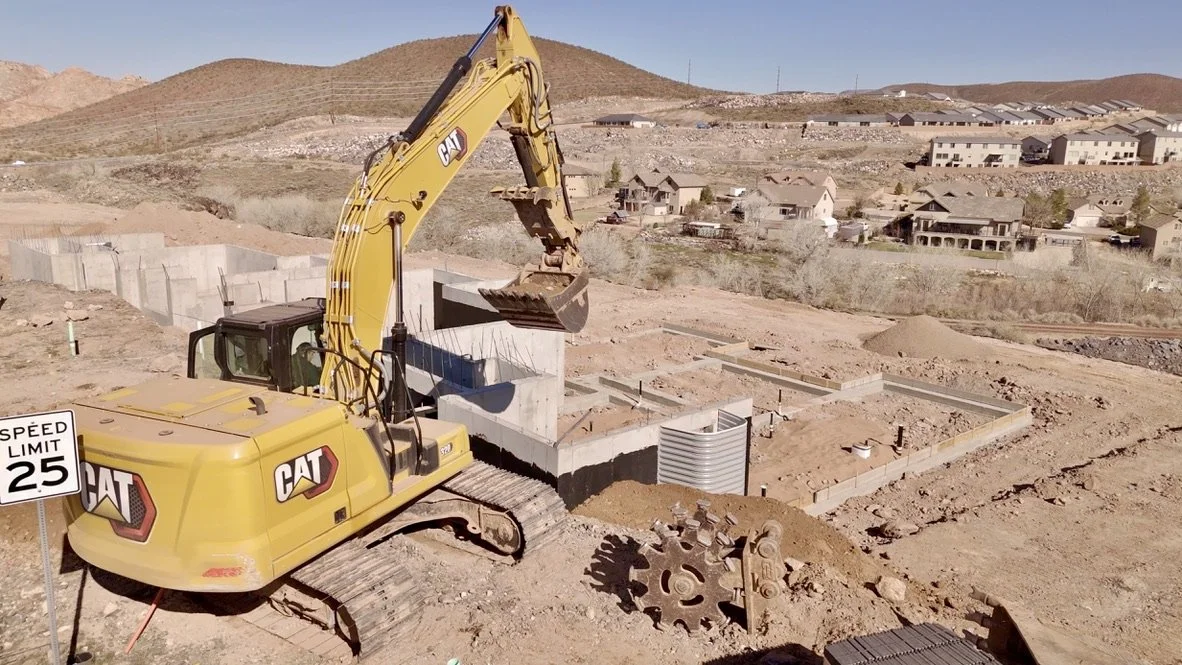
Basement Excavation
Here in St George, many homeowners prefer to add on basements. The added square footage and the excellent insulation from our hot summer months provide added value and cool escapes for families throughout Southern Utah.
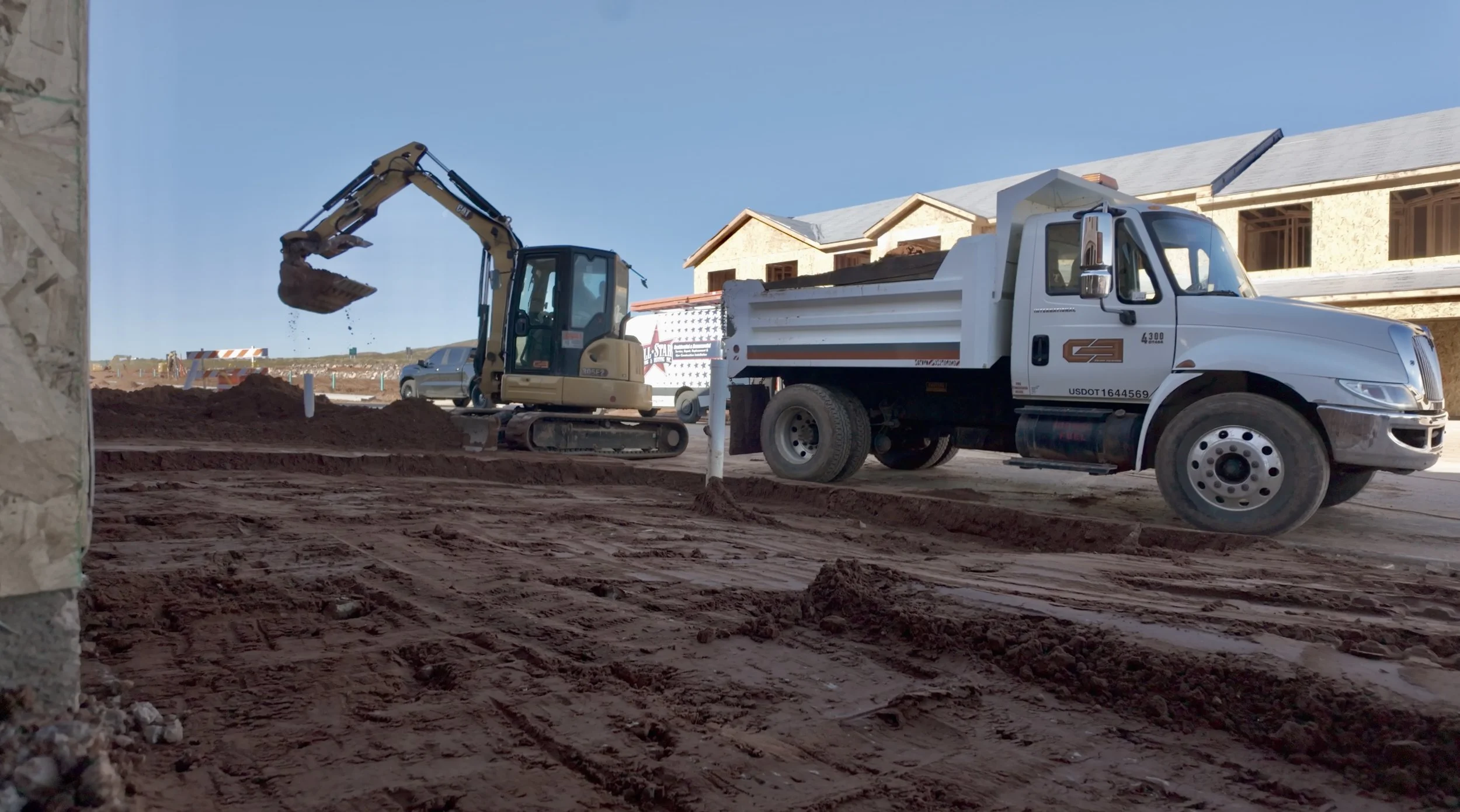
Fine Grading
When you can’t hook onto your sewer line, let us install a self sustaining sewer system underground that will run sufficiently.
Mass Excavation
We specialize in utilities: Storm, sewer, power and main water pipe. Creative Excavating, with years of experience, is able to take on any job big or small and complete it with confidence that it’s done right, on time and perfect.
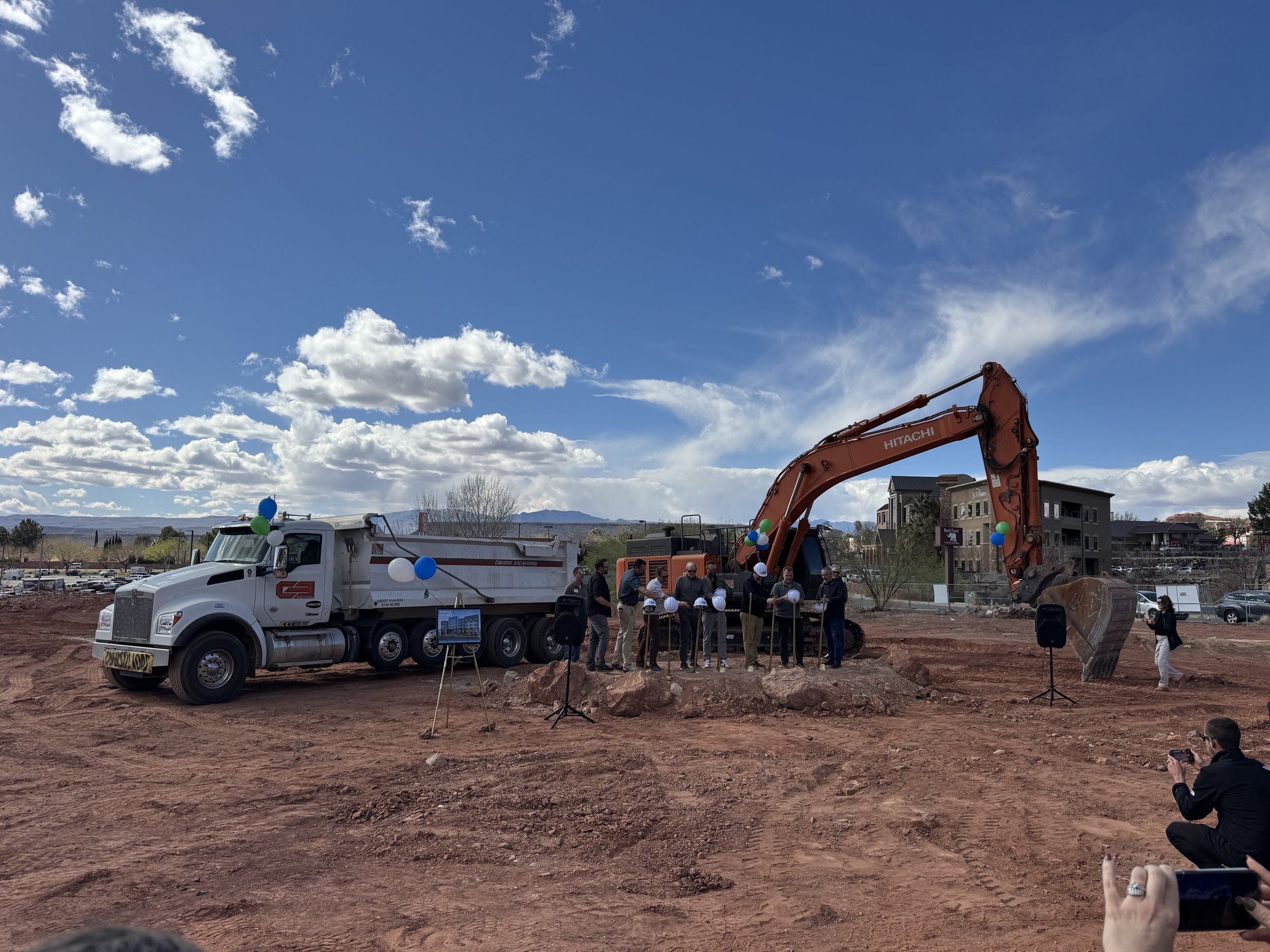
Land Development
This is our specialty because we have set ourselves up with customized attachments to be able to create any type of rock or block retaining walls. With these attachments were able to stack a higher quality wall in a fraction of the time, saving the customer money while still giving them the quality they deserve and expect.
Land Development Partner
We specialize in utilities: Storm, sewer, power and main water pipe. Creative Excavating, with years of experience, is able to take on any job big or small and complete it with confidence that it’s done right, on time and perfect.
Frequently Asked Questions
-
A lot of people ask if they will need an engineer. The answer is that in most cases you will need to hire an engineer for the project. Depending on where you are with your project, you can usually have the engineering rolled into your house’s footings engineering (if you are working with custom plans) and it can save you money. We have worked with just about every engineering company in Southern Utah and can provide you a list of the companies upon request.
-
The best advise we can offer in this case is to get an estimate first. We have had phone calls where the new property owner had no idea what the cost was going to be and was disheartened to learn that the added excavation and expense in the rock retaining wall put them over their budget. We are not trying to scare anyone and hopefully we are not giving the impression that every job is going to equal a house mortgage either. Give us call at 435-627-9449 before you put in an offer and we will be happy to give you an estimate for what it will cost to get your lot ready to build on. One quick call can possibly save you a lot of headache and even thousands of dollars.
-
A survey is always a great idea. You probably don’t have to ask around for very long in any neighborhood to learn of disaster stories where a property dispute was caused by a fence, structure and even a rock wall being put in the wrong place. Sometimes they are placed within an easement or within a setback. We strongly urge our clients to get their property surveyed. The surveyor will come and stake out the corners of the property and this gives us our starting points. The survey usually runs a couple hundred dollars at most. The minimal expense of a survey versus the potential for some big problems down the road is an obvious choice!
-
This actually depends on several factors, but the largest being how tall the rock retaining wall is, but as a good rule of thumb you don’t want to build any closer to a rock retaining wall as the same height of the wall. So if you have an 8 foot rock retaining wall you will want to set your house’s footing back at least 8 feet back from the retaining wall.
-
In short, a geo-grid is a sort of rubberized mat that is placed behind a rock retaining wall in between the dirt and the boulders. It helps keep the soil and smaller rocks from washing away and in some cases from falling out from behind the wall. For example, if one of the large boulders was to ever come loose in an earthquake, the geo-grid is designed to hold the earth back where the boulder falls out.
We install geo-grids by bringing up the walls in lifts, about every two feet. We place the geo-grid behind the boulders, grade out the dirt and compact that level to ensure that settling is kept to a minimum and start. -
The cost difference is actually very minimal.
-
Filter fabric is the other alternative to Geo-grid. One of the things that sets us apart from some of our competition is that filter fabric is standard with our rock walls. We add it into every single wall, where our competitors don’t include it as a standard measure. Filter fabric really does a good job holding the dirt back while still letting the water drain out properly.
-
This actually depends on the lot and if we are providing the rock. We offer FREE estimates so give us a call.
-
Permits are required. It is common for people to ask who files for it. That really is up to the client, but we work with the local cities and know the process so we usually handle it for you.
-
As far as code requirements go, in St. George, the rule is you can’t go higher than 8 feet tall with the rock wall before you have to shelf it back. So if you have a 16 foot high wall then you are going to have to do an 8 foot high wall then step it back 4 feet and then we could go up another 8 feet. An engineer will come out and test every 2 feet for moisture and density.
-
Yes, you usually can, but it’s definitely cheaper to install a rock retaining wall when there are not buildings in the way. That is because of the added time and labor of constantly moving rock and materials around the structure versus dumping it in the middle of the lot. When we dump the materials in a central location on the lot, we are usually able to reach it from any point and makes things go much faster which saves you money.
Another layer of complication is digging out the bank right next to an existing structure. If we have to cut the rock walls in close to the structure, it can compromise the structure’s foundation and it’s overall integrity because we have to over dig enough to put the Geo-grid in. Having us come in after construction has begun is a common and often an expensive mistake that a lot of home owners and even contractors make. It will save you time and money if we can come in first, then we can be sure not to compromise the structure’s foundation.
-
On average we can install between 300 to 500 square feet per day, but because every wall is different and there can be so many odd dimensions to each lot, it varies. For example one lot might only need 2 feet of rock retaining wall and it is straight down the property line. On the other hand, the very next property might need 20 feet of rock retaining wall and there might be jogs in the property line etc. So time frames do depend on the project, but just ask us and we can estimate how long the job will take.
-
The most common rocks we use are: red sandstone, black lava, or a yellow and white sandstone. It is also common that we build rock walls from materials right on location, like in the case of over excavation of a basement. Depending on the location, these rock pilings are similar to stones and boulders that you might find throughout Southern Utah. This is sometimes a little risky because we have to assume that there will be enough material onsite to complete the job.