
Retaining Wall Drainage: Why Walls Fail Without It
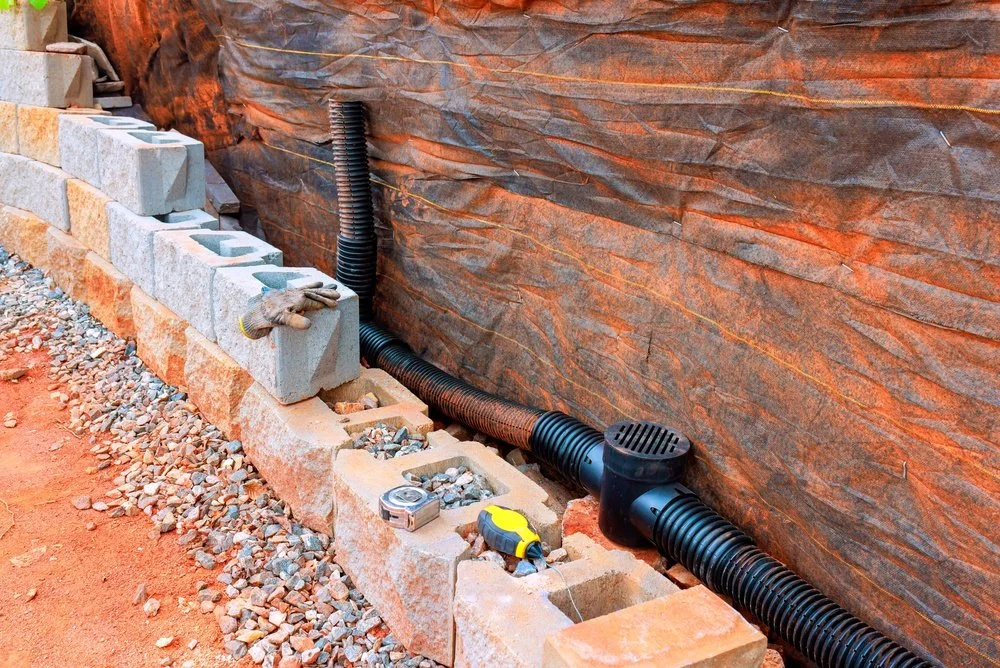
A retaining wall has one job. It holds back a hill. Most people think the dirt is what pushes on the wall. That is only half true. The real trouble is the water inside the dirt.
When a wall leans, bulges, or falls, water is almost always part of the story. Good retaining wall drainage is what stops that from happening.
Why Water Is a Wall's Worst Enemy
Dry soil is heavy. Wet soil is much heavier. When rain or sprinkler water soaks into the ground behind a wall and cannot get out, the push on the wall grows and grows.
Think of a sponge. A dry sponge weighs almost nothing. A soaked sponge is heavy and drips. Now picture tons of soaked soil leaning on a wall with nowhere for the water to go. Sooner or later, something moves.
Drainage gives that water an easy way out, so it never builds up.
Signs Your Wall Has a Drainage Problem
Walls rarely fail overnight. They give warnings first. Look for these:
The wall leans forward or bulges in the middle
New cracks, or gaps that keep getting wider
White, chalky stains on the face of the wall
Soil or mud washing out through the joints
Soggy ground or puddles at the bottom of the wall
Drain outlets that stay dry even after heavy rain
That last one surprises people. If the ground is soaked and nothing comes out of the drains, the water is trapped behind the wall.
The Parts of a Good Drainage System
Gravel behind the wall
Clean, crushed gravel is placed right behind the wall, usually about a foot wide. Water falls through gravel fast, so it drops to the bottom and does not sit against the wall.
A drain pipe at the bottom
A pipe with small holes runs along the base of the wall, inside the gravel. Water enters the pipe and flows downhill to an open end, where it can spill out safely.
Filter fabric
A layer of fabric sits between the gravel and the soil. It lets water pass but holds the dirt back. Without it, fine soil slowly fills the gravel and clogs the system.
Outlets
The water needs an exit. That may be the open end of the pipe, or small openings in the wall called weep holes. Outlets must stay clear of dirt, plants, and mulch.
Grading on top
The ground above the wall should guide surface water away, not toward the back of the wall. A shallow dip called a swale can carry storm water around the wall. Careful fine grading at the top keeps much of the water from ever reaching the drain system.
How Rock Walls Handle Water
Boulder walls have a natural advantage. The gaps between the rocks let water pass through, so the push does not build up the way it does behind a solid concrete wall.
They still need care. Gravel and fabric behind the boulders keep the soil from washing out through those same gaps. This is one reason rock retaining walls are so common on hillside lots in our area.
Why This Matters in Southern Utah
It is easy to think a desert wall does not need drainage. We get little rain, after all. But the weather here creates its own problems.
Storms come fast. A summer monsoon can drop a lot of water in a few minutes, and dry ground sheds most of it straight downhill.
Sprinklers run all year. A lawn or garden above a wall sends water into the soil every day. This is a common cause of wall trouble in our area.
Clay swells. Some local clay grows when it gets wet and shrinks as it dries. That movement pushes on a wall again and again.
Our guide on how to build long-lasting rock retaining walls explains how the wall and the drainage are built together from the first row.
Can Drainage Be Added to an Old Wall?
Sometimes, yes. A few fixes can be done without taking the wall apart:
Clear blocked weep holes and pipe outlets
Reshape the ground above so water runs away from the wall
Move sprinklers back, or water less near the top
Add a surface drain or swale above the wall
If the wall is already leaning, these steps may only slow things down. A lasting fix often means digging out the soil behind the wall and adding gravel, fabric, and pipe. In some cases, the wall needs to be rebuilt.
When to Call a Professional
Short garden walls are forgiving. Tall walls are not. Many cities ask for an engineer's design and a permit once a wall passes about four feet in height. Walls near a house, a driveway, or a property line also deserve expert eyes.
If your wall is moving, do not wait. A leaning wall is much easier to repair than a fallen one.
Frequently Asked Questions
Does every retaining wall need drainage?
Almost every wall does. Any wall that holds back soil can trap water. Very short garden borders are the main exception.
What kind of gravel is best behind a wall?
Clean, crushed, angular gravel with no fine dust. It drains quickly and locks together. Rounded pea gravel and plain dirt do not work as well.
Where does the drain pipe go?
At the bottom of the wall, behind it, inside the gravel. It should slope gently toward an open outlet.
Do boulder walls need a drain pipe?
Not always. Water can pass between the rocks. Many still get gravel and fabric behind them, and taller walls often get a pipe as well.
How often should I check my wall?
Look at it once or twice a year and after every big storm. Make sure the outlets are open and the wall has not moved.
Build It Once, Build It Right
Creative Excavating has built rock walls across Southern Utah since 2005, and drainage is part of every one. If you are planning a new wall or worried about an old one, call 435-627-9449 and we will take a look.
