
Basement Excavation in Southern Utah: Everything Homeowners Need to Know Before Digging
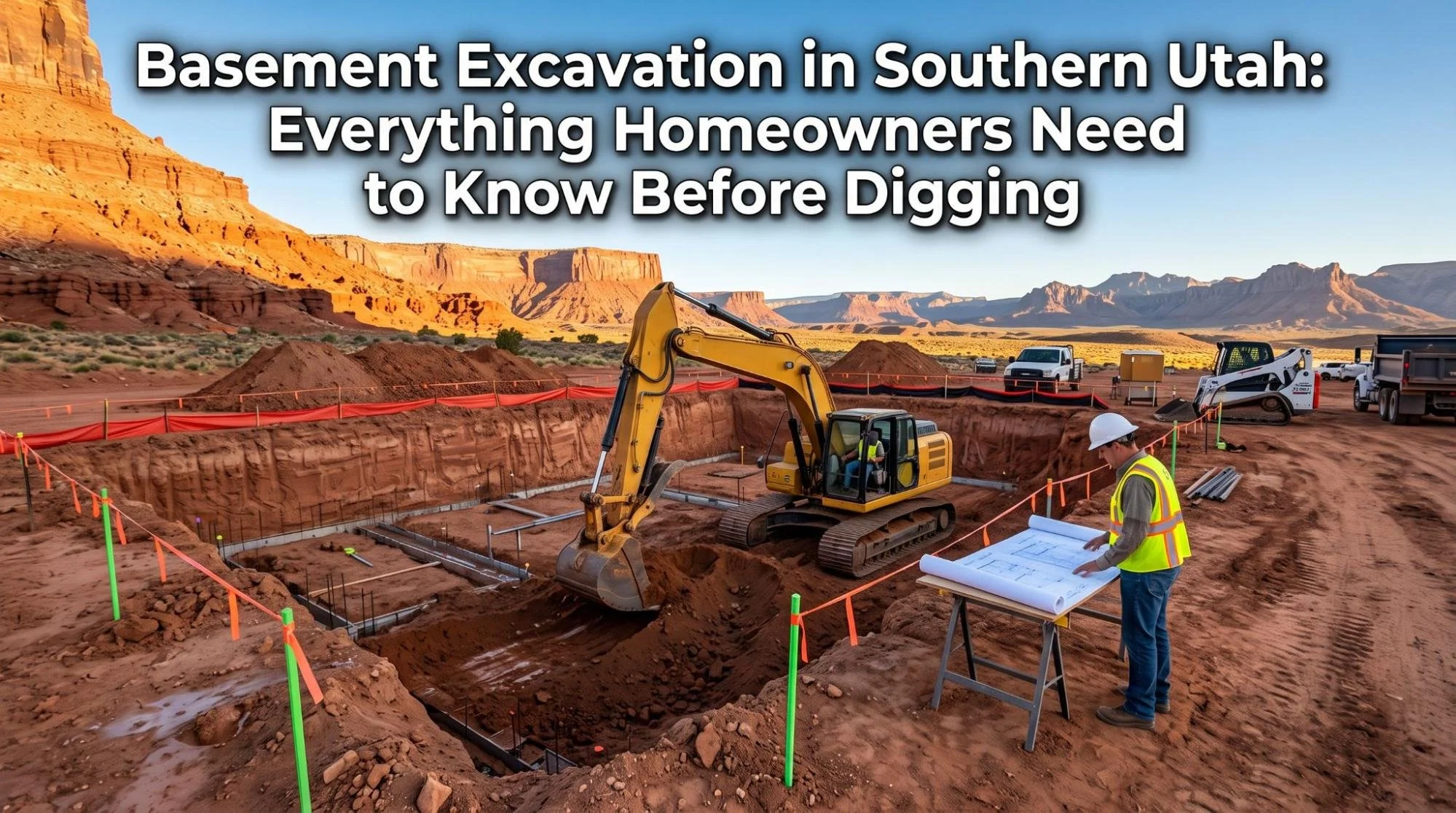
Building a home from the ground up is an exciting journey, but before the walls go up and the roof is installed, the project begins beneath the surface. Proper basement excavation Southern Utah is one of the most important stages of home construction, laying the groundwork for a safe, durable, and long-lasting structure.
Southern Utah presents unique excavation challenges due to its rocky terrain, varying soil conditions, and sloped landscapes. Whether you're planning a full basement, a walkout basement, or additional living space below grade, working with an experienced excavation contractor ensures your project starts on a solid foundation.
In this guide, we'll explain everything homeowners need to know about basement excavation, from planning and permits to soil preparation and choosing the right contractor.
Why Basement Excavation Matters
Every successful basement begins with careful planning and professional excavation. Unlike standard house excavation, basement projects require deeper digging, accurate grading, proper drainage, and precise measurements.
An improperly excavated basement can lead to:
Foundation settlement
Water intrusion
Drainage issues
Structural cracking
Expensive repairs
That's why investing in professional foundation excavation is one of the smartest decisions a homeowner can make.
Understanding Southern Utah's Soil Conditions
One of the biggest factors affecting soil excavation is the region's geology.
Southern Utah features:
Sandy soils
Clay pockets
Dense gravel
Sandstone formations
Volcanic rock
These conditions influence how excavation equipment is selected and how the site is prepared.
An experienced excavation company understands these local conditions and knows how to adjust excavation methods to create a stable building site.
Before digging begins, many contractors perform soil evaluations to determine bearing capacity and drainage characteristics.
The Basement Excavation Process
Understanding each phase helps homeowners know what to expect.
1. Site Inspection
Every project begins with evaluating the property.
Professionals examine:
Property boundaries
Elevation changes
Existing utilities
Access for heavy equipment
Drainage patterns
This helps create an excavation plan that minimizes risk and keeps the project on schedule.
2. Utility Location
Before any basement digging begins, underground utilities must be identified.
This includes:
Water lines
Sewer lines
Gas lines
Electrical conduits
Communication cables
Protecting underground infrastructure prevents dangerous accidents and costly repairs.
Creative Excavating's expertise in underground utility work makes this stage especially important.
3. Clearing and Site Preparation
Vegetation, debris, and unsuitable soil are removed before excavation begins.
Proper site preparation ensures heavy equipment can safely access the property while creating enough working space around the future basement.
If demolition is required before excavation, homeowners should also consider professional site clearing services.
4. Excavating the Basement
This is where the actual basement excavation begins.
Heavy equipment carefully removes thousands of cubic feet of soil while maintaining precise depth and slope.
Contractors continuously verify:
Excavation depth
Building dimensions
Property setbacks
Foundation elevations
Accuracy during this phase directly impacts the quality of the finished basement foundation.
Foundation Excavation: Building on Solid Ground
After excavation reaches the required depth, attention shifts toward preparing the site for the foundation.
Professional foundation excavation includes:
Final grading
Soil compaction
Drainage preparation
Footing layout
Excavation cleanup
Without these steps, even a well-built home may experience foundation movement over time.
Proper excavation creates the stable base every foundation requires.
Why Soil Compaction Is Critical
Excavation is only part of the process.
Once digging is complete, the remaining soil must support thousands of pounds of structural weight.
Loose soil can lead to:
Uneven settling
Cracked walls
Uneven floors
Foundation damage
Professional contractors use specialized equipment to compact soil before construction begins.
This is one reason hiring an experienced foundation contractor is so important.
Common Challenges During Basement Excavation
Every property presents different excavation challenges.
Some of the most common include:
Rock Excavation
Southern Utah contains extensive rock formations that require specialized equipment.
Large boulders and sandstone may increase excavation time but can be safely removed using heavy machinery.
Water Management
Although Southern Utah has a dry climate, seasonal storms can quickly fill open excavations.
Contractors install temporary drainage measures to keep excavation sites dry throughout construction.
Sloped Properties
Many homes are built on hillsides.
These projects require careful grading to maintain slope stability and reduce erosion risks.
Professional residential excavation ensures safe excavation even on challenging terrain.
Choosing the Right Excavation Contractor
Not every contractor specializes in basement projects.
When selecting an excavation contractor, homeowners should look for:
Local experience
Licensed and insured crews
Modern excavation equipment
Knowledge of Southern Utah soils
Strong project portfolio
Positive customer reviews
Working with a trusted local company also means better communication throughout your project.
Creative Excavating has extensive experience preparing residential building sites throughout Southern Utah.
How Basement Excavation Supports Home Construction
A basement isn't simply a hole in the ground.
It supports the entire structure above it.
Quality home construction depends on accurate excavation because every wall, floor, and roof transfers weight to the foundation below.
Poor excavation can compromise the entire building.
Professional excavation provides:
Structural stability
Better drainage
Improved energy efficiency
Longer building lifespan
Mistakes Homeowners Should Avoid
Many problems begin before construction even starts.
Avoid these common mistakes:
Hiring the Cheapest Contractor
Low prices often result in shortcuts that become expensive later.
Ignoring Soil Conditions
Every property is different.
Skipping soil evaluations can create long-term foundation issues.
Poor Drainage Planning
Water is one of the biggest threats to any basement.
Proper grading during foundation excavation protects your investment.
Rushing the Project
Excavation requires precision.
Taking time to complete each phase correctly prevents delays during construction.
Why Professional Excavation Makes the Difference
A professional excavation company brings far more than heavy equipment to the job site.
Experienced crews understand:
Local regulations
Building codes
Soil behavior
Equipment operation
Site safety
Drainage engineering
Their expertise reduces risk while helping projects stay on schedule and within budget.
Build Your Basement with Confidence
Whether you're building your forever home or investing in a new property, quality Basement Excavation Southern Utah is the first step toward a successful project.
From careful soil excavation and precise house excavation to expert foundation excavation, every stage contributes to the strength and longevity of your home.
Choosing a reputable excavation contractor ensures your basement is built on stable ground, with proper drainage, accurate grading, and the attention to detail your investment deserves.
If you're planning a new basement in Southern Utah, partnering with experienced professionals like Creative Excavating can help you begin your project with confidence and peace of mind.
Frequently Asked Questions
-
Most residential basements require excavation between 8 and 10 feet deep, depending on the home design and local building codes.
-
Yes. Most basement projects require permits and inspections before excavation begins. Your contractor typically helps coordinate this process.
-
Factors include soil conditions, rock removal, excavation depth, drainage requirements, property access, and foundation size.
-
Most residential projects take several days to two weeks, depending on site conditions and weather.
-
Professional contractors have the equipment, experience, and local knowledge needed to safely complete excavation while protecting your future home's foundation.
